
October 24, 2025

If you’ve started researching senior living options for yourself or a loved one, you’ve likely experienced sticker shock. With monthly costs ranging from $3,000 to $10,000 or more, many families wonder why senior living communities are so expensive. The answer isn’t simple, but understanding the factors behind these costs can help you make more informed decisions and better evaluate what you’re paying for.
First, demand is high. The senior population is currently the largest it has ever been in the United States—and growing. There’s a huge demand for high-quality senior living options, and older adults are willing to use their purchasing power to find the best options.
“In senior care you get what you pay for,” said Talia Chipman, Community Relations Director at Fieldstone of Puyallup. This memory care community offers high-end amenities in an environment tailored to the needs of people living with cognitive impairment.
Think of it like this: What would it look like to have your gym membership, your social clubs, restaurant-quality food delivery, your favorite watering hole, a movie theater, housekeeping services, and concierge medical treatments included in your rent? Luxury senior living communities provide a lot more than just a place to sleep—they offer amenities and services that support an active, healthy lifestyle for older adults. That community has the capacity to continue meeting the needs of older adults even as their health or mobility changes. Here’s a detailed breakdown of what your senior living fees pay for in a Fieldstone community.
Housing and maintenance cover not just your living space, but ongoing upkeep, utilities, housekeeping, and maintenance services that many seniors no longer wish to handle themselves. This eliminates the stress and expense of home repairs, lawn care, and seasonal maintenance that can be both expensive and hard on the body.
Dining services include daily meals and snacks prepared by professional kitchen staff, often with multiple menu options and accommodation for dietary restrictions. The cost of maintaining commercial-grade kitchens, food safety protocols, and trained culinary staff is significantly higher than what most people spend on groceries at home.
“We have wonderful food here,” Chipman said. “Every meal they are having salads and desserts.
Professional healthcare and wellness staff represent one of the largest cost drivers. Our communities employ licensed nurses and med techs in each neighborhood of the building. In addition to being available for residents’ medical and mental health needs, they maintain relationships with local medical providers and help with medications.
“We have a very high staff to resident ratio,” Chipman said. “It’s hard work, so we make sure to treat our staff very well, and as a result we have a lot of people who have been with us a long time.”
There are two nurses, a med tech, and a housekeeper for each neighborhood. That level of staffing means caregivers are empowered to provide a high level of care.
“There is always someone in the neighborhood to engage residents and help prevent falls, and they are not rushing from room to room. They take their time with each resident.”
Support staff include activities directors who plan and manage social events, admissions directors who help families get their loved ones settled, and other administrative staff who maintain communications with family members through patient portals, emails, phone calls, and social media profiles. Transportation coordinators and bus drivers allow senior living residents to maintain doctor appointments, shop for personal items, and attend social events.
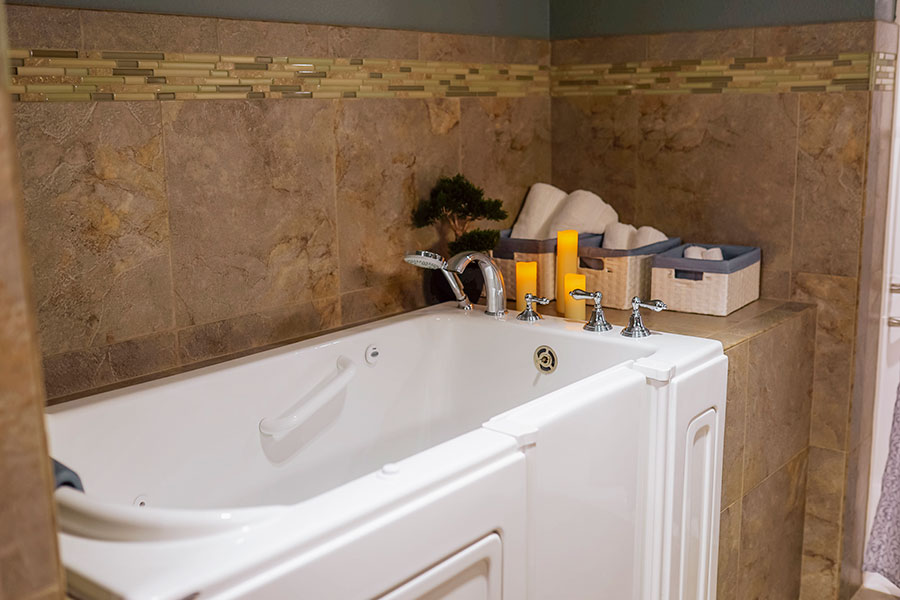
Safety and accessibility features, such as wider doorways, grab bars, emergency call systems, and wheelchair-accessible bathrooms are standard but costly to install and maintain. Security features include emergency response systems, secure entry points, and specialized equipment for residents with mobility or cognitive challenges.
While senior living costs are high, they reflect the reality of providing comprehensive care and services in a highly regulated environment. By understanding the factors that affect cost, you can better evaluate whether it makes sense for your situation and what level of service and care you should expect for your money.
“We are 100% transparent with our costs,” she explained. “Some places won’t put that in black and white, but the people we serve need to be able to understand and anticipate any increase in costs.”
She and her team have detailed conversations with families about their loved one’s healthcare needs and how those costs apply.
“Whether it’s hands-on assistance or needing a two-person transfer, every person who takes a tour gets those care cost details.”
At Fieldstone, we believe it’s important to be transparent about senior living costs. And not just the costs, but the value of what these costs represent. Because we are confident in the value our communities offer, we don’t require any expensive buy-ins or a long-term lease. It’s hard to put a price on empathetic and compassionate care, but we invite you to come take a tour and see what makes Fieldstone communities worth every penny.