January 30, 2026

Choosing a senior living community is a big decision. Whether you’re exploring options for yourself or a loved one, nothing can replace seeing a community for yourself by taking a tour. But with so many details to observe and questions to ask, it’s easy to feel overwhelmed or miss important red flags.
Here are seven practical tips to help you make the most of your tours and find a community where you or your loved one will thrive.
1. Schedule your tour strategically
Try to visit during mealtimes or when activities are in full swing—typically mid-morning or early afternoon. This gives you a genuine sense of daily life, not just an empty hallway tour.
If possible, schedule tours at different times of day or even different days of the week. A community might feel vibrant on Tuesday afternoon but quiet on Saturday morning. You want to understand the rhythm of life there, not just see it at its most polished moment.
Don’t announce your visit too far in advance. While scheduled tours are standard, some families also do a “drop-in” visit later to see if the experience matches.
“Even if you schedule a tour, show up early or unexpectedly so you can see what the community is really like,” advised Dani Butler, Community Relations Director at Fieldstone of Yakima.
If a community discourages unannounced visits during reasonable hours, that’s a red flag.
2. Use all your senses
One of the first things you’ll notice is how a community smells. Does it smell clean and fresh? While occasional smells are normal (people live there, after all), pervasive unpleasant odors can mean inadequate staffing or housekeeping.
“Bad smells would be my biggest red flag—just walking by and smelling something bad,” Butler said. “Or if people aren’t friendly and interacting with residents.”
Listen carefully. Do you hear conversation, laughter, and activity? Silence can mean residents are isolated in their rooms rather than engaging with each other.
Look at the lighting and atmosphere. Natural light, comfortable furniture, and personal touches in common areas suggest a community that values quality of life, not just efficiency.
3. Watch staff interactions
Watch how staff members interact with residents. Do they make eye contact, call people by name, and engage warmly?
Notice the staff-to-resident ratio, especially during meals and peak times. Ask your tour guide directly about typical staffing levels for different shifts.
4. Ask to see a real room
Tour guides may show you a beautifully staged model apartment. That’s fine, but ask to see the actual room or apartment type you’d be moving into. Ask to see rooms in different areas of the building—quality can vary significantly between wings or floors.
When you’re in the room, check the basics: Is there enough storage? How’s the lighting? Is the bathroom safe and accessible? Can you bring your own furniture, personal items, or pets?
Also tour areas residents use every day: dining rooms, activity spaces, outdoor areas, and therapy rooms, if applicable. These matter just as much as the private living space.
5. Ask hard questions
How long is the average stay at your facility?
What is your staff tenure like?
What is your biggest challenge in this facility?
When was your last CMS survey and did it report any deficiencies?
How are your fees structured and what would incur additional costs?
How often do you hold care conferences?
A quality community will be open to answering any questions from prospective friends and family members.
“I get asked a lot of questions about call times and questions about staff—how much staff we have outside of the nurse, whether the nurse is on call,” Butler noted.
6. Evaluate the dining experience
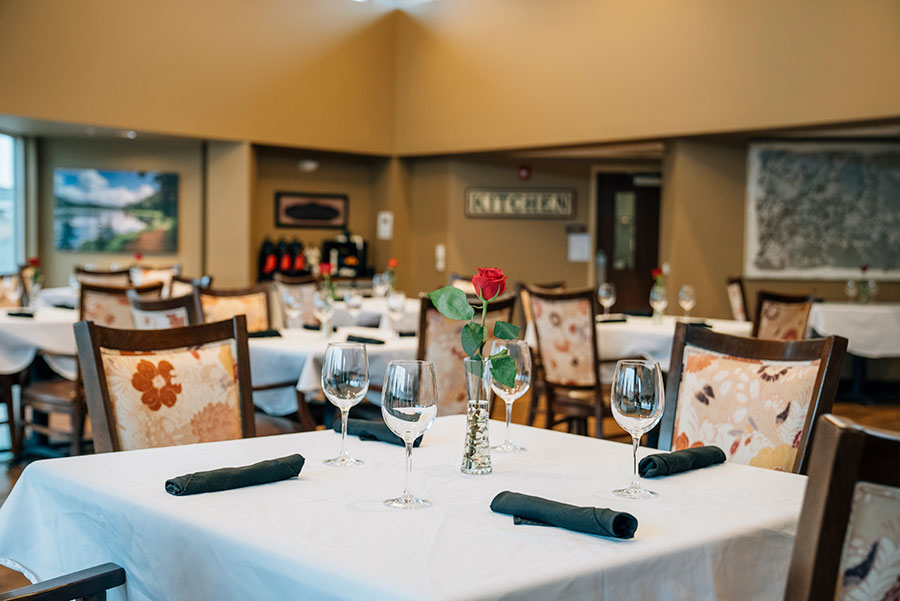
Stay for a meal. Look at more than just taste. Are there menu choices, or is it one-size-fits-all? Can the kitchen accommodate dietary restrictions, cultural preferences, or simply personal dislikes?
Watch the dining experience itself. Is it rushed, or do residents have time to eat comfortably? Can people eat when they’re hungry, or are mealtimes rigid? Ask to see a week’s worth of menus to see if there’s genuine variety.
7. Trust your gut
Your intuition is valuable. Sometimes a place checks all the boxes on paper but just doesn’t feel right—and that matters.
“I usually let people know that nothing is cookie-cutter,” Butler explained. “I might suggest that if they are very social and enjoy being around people, this is the community for you—it’s very active and vibrant. But that’s not everybody’s vibe. If they aren’t social, some people prefer quieter communities or smaller environments. I always go into a tour doing that discovery process to see if they are a good fit, personality-wise or care-wise. We want our residents to be happy with the decisions they’ve made.”
Bring someone with you if possible. If you’re touring for a parent, try to include them in at least one visit so they can share their feelings about the environment.
Take photos (with permission) and notes. Documentation helps you remember specific details and compare options fairly.
And importantly, if you can’t tour in person, inquire about a virtual tour.
“I am happy to do FaceTime or Zoom tours,” Butler said. “I was touring a family and another person virtually recently. It’s similar to the in-person tour—we still interact with residents.”
Touring senior living communities can feel daunting, but going in prepared helps you see past the marketing and understand what daily life is really like. Remember, you’re not just choosing a building—you’re choosing a home and a community. Take your time, ask hard questions, trust your instincts, and don’t settle until you find a place that feels right.