
December 19, 2025

Our parents spend the first decades of our lives making sure we have everything we need to be happy, healthy, and successful. It can feel like quite the role reversal when, as an adult, you must make critical decisions on their behalf—particularly when cognitive decline has taken away their ability to make those choices for themselves.
We know that most people want to stay in their homes as long as possible. But when a parent is living with dementia or Alzheimer’s disease, this goal may be unsafe or unsustainable. Perhaps they’re forgetting to eat meals, wandering outside and getting lost, or leaving the stove on. These aren’t just inconveniences—they’re safety concerns that require professional intervention.
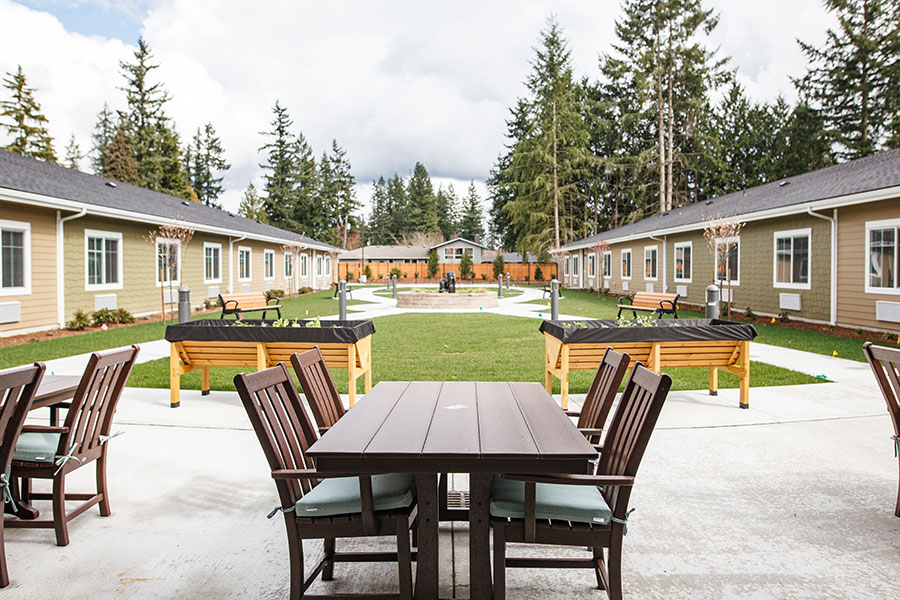
Despite the clear need for specialized care, many adult children struggle deeply with the decision to move a parent to memory care. It’s important to understand that today’s memory care communities are nothing like the outdated nursing homes you may remember. Modern memory care facilities offer specialized programming designed specifically for cognitive decline, including secure environments that allow residents to move freely without risk of wandering, structured daily activities that support remaining abilities, restaurant-quality dining with assistance as needed, and most importantly, trained staff who understand dementia and can provide compassionate, dignified care around the clock.
Making the decision about memory care is never easy, but approaching it thoughtfully can help ensure the best outcome for your parent and your family. Here’s a framework to guide you through this difficult process:
Recognize when the time has come. Memory care becomes necessary when safety concerns outweigh the benefits of staying home. Warning signs include: wandering or getting lost, inability to manage medications safely, forgetting to eat or eating spoiled food, leaving appliances on or creating fire hazards, aggressive or combative behavior that endangers themselves or caregivers, or profound isolation due to inability to engage safely with the community. Trust your instincts—if you’re constantly worried about their safety, that’s a sign.
Unfortunately, there are real dangers in waiting too long to get your loved one with cognitive decline in a safe and supportive environment.
“The worst-case scenario is that your loved one gets lost, and they wander out of their house or your house, and that’s a seriously dangerous event that costs many seniors their lives every year,” said Maricel Halmo, Community Relations Director at Fieldstone Memory Care of Marysville. She understands the urge to involve your parent or loved one in this care conversation, but it’s not always helpful.
“Families may still want the resident to be involved in the decision making, but they cannot see themselves clearly anymore,” Halmo explained. “In their mind, they are fine and they can’t see what makes home unsafe for them.”
And there can be financial dangers, as well. One family turned to Fieldstone of Marysville after they discovered their father was allowing strangers in his home and falling victim to scam artists.
Consult with medical professionals. Talk to your parent’s doctor, neurologist, or geriatric care manager. They can provide an objective assessment of your parent’s cognitive abilities and safety needs. Medical professionals can also help you understand what level of care is appropriate and may provide documentation needed for placement.
Understand that memory care adds quality of life. While it may feel like you’re taking something away, memory care actually provides supervision that prevents dangerous situations, social interaction with trained staff and other residents, activities designed to engage remaining abilities and reduce anxiety, nutritious meals served at regular times, and most importantly, the chance for you to return to being a daughter or son rather than an exhausted, frightened caregiver. And more than that, some people can really thrive in a safe and supportive environment.
Halmo recalls one woman whose independent streak prevented her from wanting to live with family. But at Fieldstone Memory Care of Marysville, she’s free to pursue her hobbies safely and happy that she won’t need to move again.
Many family caregivers will tell you they wish they had made the move to memory care sooner. Rather than wait until you’re completely burned out or until a tragedy occurs, recognize that memory care is not giving up—it’s ensuring your parent receives the specialized care their disease requires. And it allows you to focus on spending quality time with them, holding their hand, looking at old photos, or simply sitting together, rather than being consumed by worry and the impossible burden of round-the-clock vigilance.
Making this decision for your parent isn’t easy, but it can be the most loving choice you make—ensuring safety, dignity, and professional care while giving you back the ability to be their child again. The right memory care community can make all the difference—not just in providing a secure and supportive environment, but in surrounding your loved one with people trained to see past the disease to the person inside. At Fieldstone Memory Care of Marysville, we combine secure, home-like spaces designed for memory care with a team whose specialized training and genuine compassion help residents feel safe and families feel supported.