
October 30, 2026

We know that most older adults would prefer to live in their own homes as long as possible. But there are lots of good reasons for older adults and their family members to consider a move to senior living. Whether it’s the desire to spend more time on leisure activities, a need for greater safety and peace of mind, or simply the pull of built-in community and connection, older adults and their families have plenty of good reasons to consider making a move. Below are four of the most common motivations that lead people to start exploring memory care options.
Loneliness
According to national polling by the University of Michigan, more than one-third of older adults age 50 to 80 experience loneliness and isolation. Loneliness is a serious health issue for older adults, both for physical and mental health. While there have been public health interventions to help ease loneliness, such as helplines and tech-based solutions, there’s no replacement for in-person connection. Senior living communities offer easy access to activities and opportunities for connection with older adults who have the same hobbies and interests, just steps from a senior’s front door.
Oftentimes, families’ first choice to address isolated seniors is home care. But when it comes to cognitive decline, home care is helpful, but it may not address the needs of the whole person, explains Scott Ernst, Community Relations Director at Fieldstone of Marysville.
“Even if a person is being supported with in-home care, laundry and cleaning alone are not going to fully engage that person. Our team works hard to engage each of our residents one on one.”
Caregiver burnout
Friends or family members are often the first people we turn to when we need a bit of help with everyday activities. But oftentimes, those everyday activities start to snowball. Caregivers may be dealing with several phone calls each day, helping with multiple medications and frequent doctor visits, and assisting with mobility or transportation. That’s a big job, and it can be emotionally taxing as well. Aside from that, we know many family caregivers also have full-time jobs and families of their own. If you are a family caregiver, there’s no shame in admitting to yourself and others that the toll of full-time caregiving has become too much for you. With the help offered by senior living, caregivers can return to their original role of spouse, son, or daughter.
Caregiver burnout is something that Ernst and his team see often.
“Our residents deserve the best care possible,” he said. “And that care extends to family members who come to us burned out in their caregiving journeys.”
Cognitive decline
If you or a loved one is dealing with early cognitive decline, there’s a pretty good chance you will need more assistance as the disease progresses. Moving to a memory care community early on in cognitive decline gives you the benefit of adjusting to a new community before increasing symptoms could make that a more difficult transition. Many senior living communities offer a continuum of care, meaning you can move from independent living to assisted living or memory care as your needs change.
Scott and his team at Fieldstone of Marysville understand the challenges of dementia caregiving and want to be a resource for families dealing with cognitive decline.
“If you’re seeing signs of dementia, don’t shy away from them. The sooner someone can get settled into an environment that supports their needs, the better,” Ernst said. “Home care can be a big help, but it’s also worth reaching out to a memory care community because we have a lot of resources.”
Those resources include a monthly support group for caregivers and family members of people living with dementia.
Safety risks
Each year, one in four adults over the age of 65 experiences a fall. Those falls can lead to injury, a lack of mobility, and isolation due to a fear of falling again. If you or a loved one has recently experienced a fall, a move to senior living—communities specifically designed with fall prevention in mind—could help you stay socially active in a safe and supportive environment.
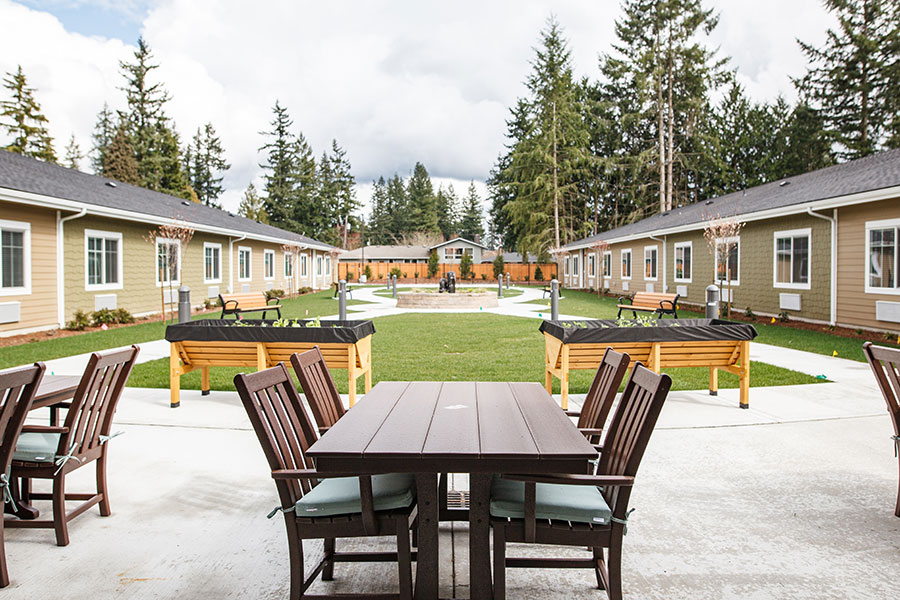
For seniors living with cognitive decline, wandering is also a serious risk. According to the Alzheimer’s Association, 60% of people living with dementia will wander, often without warning. This can cause serious injury or even death. Memory care communities are secured so your loved one can’t wander, while still having access to outdoor spaces and activities.
Ernst said knowing a loved one is safe and receiving support can provide valuable peace of mind for family members.
If one of these reasons is affecting a loved one’s ability to live their best life at home, consider a move to memory care. Modern memory care communities are designed to help older adults with cognitive challenges thrive with opportunities for connection, built-in safety features, activities to keep the brain and body moving, and the freedom to pursue what matters most.